
How to Choose a Post-Construction Cleaning Company
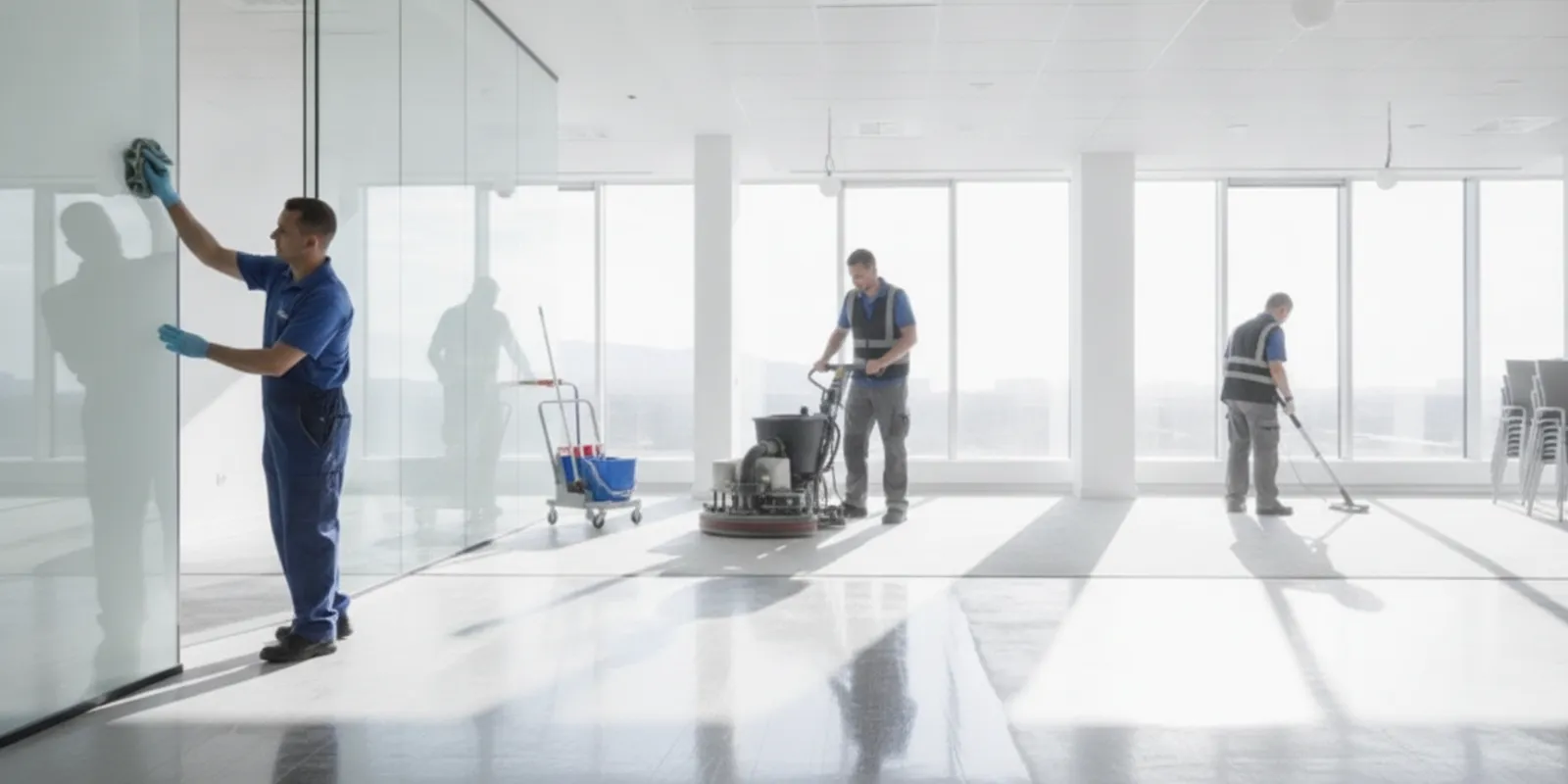
If you are deciding how to choose a post construction cleaning company, begin with the work the building actually needs, not a catchy package name. A useful vendor should understand the difference between cleaning during construction and preparing a substantially finished commercial space for handover. The scope, schedule, access plan, and quote should make those expectations clear before crews arrive.
Request a scoped post-construction cleaning quote
Why does the project phase matter when choosing a cleaning company?
Post-construction cleaning is not one interchangeable visit. A job can involve cleaning while trades are still active, a more detailed cleanup after major work is complete, or touch-up work before a walkthrough or occupancy. The right sequence depends on the project schedule and the condition of the site. A company should ask which phase you mean and what must be ready when its team finishes.
During-build cleaning can address accumulated dust and debris in areas that are ready for safe access, while other work continues elsewhere. It may need to happen more than once as construction progresses. Final cleaning is generally scheduled after the major installation and trade work has ended, so the crew can clean finished surfaces without immediately having them covered by new dust, footprints, or packaging. A last touch-up can address marks and dust generated during inspections, deliveries, or punch-list repairs.
These phases should not be confused with a promise that one visit will make every area ready for opening. A construction project can change daily. Ask the vendor to identify which phase the proposal covers, what condition the site should be in at arrival, and what events would require a return visit or a revised scope. Janitor Utah describes construction cleaning during a build and after completion, including dust and debris, glass, carpets, floor finishing, fixtures, and break areas and restrooms. A quote should specify which of those tasks fit your project.
If the building has active trades, ask how the cleaning sequence fits with their work. Cleaning a surface before drilling, sanding, or installing equipment may mean it has to be cleaned again. If the main contractor expects a final presentation clean, make sure the schedule leaves a suitable window after dusty tasks end and before the handover review.
What kind of post-construction cleaning does your site need?
Before requesting proposals, describe the building and the current condition as specifically as you can. “Clean the new space” can mean different things to an owner, general contractor, tenant, and cleaning company. State whether the site is a single office suite, several floors, a retail unit, an industrial space, or another commercial facility. Give the location, approximate area if known, rooms or zones, and current project phase.
Then distinguish cleaning priorities from every possible task. A list might include removal of loose dust and debris, wiping accessible fixtures and ledges, cleaning interior glass, vacuuming carpet, cleaning hard floors, or addressing restrooms and break areas. Mention whether surfaces are newly installed, whether protective films remain, and whether equipment or furnishings are in place. The vendor needs enough detail to decide what methods and time the work requires; you do not need to prescribe every technical step.
Be precise about what “debris removal” means on your project. Routine loose dust and small job-related debris in the agreed areas are not necessarily the same as hauling construction waste, moving heavy materials, or disposing of regulated or hazardous material. Ask the company to state what it will handle and what remains the contractor’s responsibility. Do not assume that a general cleaning proposal includes waste removal, exterior work, high-reach work, or materials requiring special procedures.
Make a separate list of exclusions or sensitive areas. For example, identify locked rooms, equipment zones, surfaces that must not be wet, areas awaiting installation, and rooms that are not yet ready for entry. If there are delicate finishes, recently installed flooring, specialty glass, or manufacturer care instructions, share them before a walkthrough. A vendor should be willing to discuss the condition and limits of cleaning rather than treating every surface as identical.
For examples of the type of project work Janitor Utah describes, see its construction cleaning service information. Use service-page language as a starting point, then confirm the specific tasks and boundaries for your site in writing.
How should you check that the company understands dust and debris?
Fine construction dust can settle on horizontal surfaces, trim, fixtures, and other places that are easy to overlook. At the same time, some dust is produced by work that may still be underway. Ask a prospective company to explain how it decides what is included and how it will handle dust in the agreed zones. A good conversation should connect the cleaning plan to your sequence of work, surface types, and access conditions instead of relying on a broad phrase such as “deep clean.”
Walk through a representative room together. Point out ledges, door frames, light fixtures, shelving, interior glass, floor edges, and other surfaces you expect to be addressed. Ask whether the proposal includes reachable vertical surfaces as well as floors, and whether fixtures will be dusted, wiped, or left for another trade. Clarify how the crew will distinguish construction residue from a stain or finish defect that should go to the installer.
Debris is another point to define. Agree whether the cleaner will collect only light, loose material in the cleaning area or whether the contractor will clear all packaging, offcuts, and larger items first. Explain where bagged waste should go and who provides disposal access. If bins are full or a loading area is unavailable, the crew may not be able to complete the plan as expected. Put any assumptions about clear floors and ready access in the proposal.
Ask what happens if dust returns after the cleaning. Dust created by a later sanding or installation task may not be a defect in the original cleaning; it may require another scheduled phase. A clear proposal distinguishes a correction for a missed agreed task from a new cleanup after additional work. That distinction protects both parties from treating an evolving job as if the site condition had stayed the same.
Do not ask a vendor to promise a dust-free or permanently clean building. Construction and occupancy create new dust and marks. Instead, agree on observable completion points: which areas are included, which surfaces are to be cleaned, and how you will review them. That gives the project team a practical basis for accepting the work.
What should the scope say about glass, floors, and fixtures?
Different surfaces call for different expectations. “Clean the glass” could mean interior glass at normal reach, or it could be misunderstood as exterior glass, high windows, adhesive removal, or work at height. Identify the glass included, the side to be cleaned, the expected condition, and any restrictions on access. Note protective film, labels, paint, or construction residue that may need a separate assessment rather than ordinary wiping.
Floor work also needs detail. Name the floor types if known, such as carpet, resilient flooring, tile, or another material. Clarify whether the task is vacuuming, damp cleaning, removal of loose debris, spot attention, or a separately quoted finishing step. Do not assume a basic construction-cleaning visit includes refinishing or specialized treatment. If the installer supplied care instructions, provide them and ask the cleaning company to confirm that its proposed method is suitable for the documented requirements.
List the fixtures and built-ins that matter: counters, cabinets, shelving, doors, trim, restroom fixtures, break-area surfaces, and accessible ledges. Note whether interiors of drawers, cabinets, appliances, or storage areas are included. “Wipe fixtures” can be interpreted broadly, so a short room-by-room task list is often more useful than a general label.
Consider installed equipment and furnishings. Are they in place? Are they covered? Does the cleaning team have permission to move anything, or must the project team clear the area? Identify sensitive controls, newly installed machinery, computer equipment, and surfaces where liquid or abrasive products are not appropriate. A contractor may need to protect or exclude items that are not part of ordinary cleaning work.
For a commercial project, write down the difference between visible handover priorities and less visible detail work. A lobby may need close attention to glass and floors, while a back-of-house space may need dusting of accessible ledges and a clear floor. That does not mean one area matters more in every building; it means your acceptance criteria should reflect how the space will be used and inspected.
How can a walkthrough reveal whether a quote is realistic?
A site walkthrough lets the company see details a short email cannot capture. Whenever practical, walk the relevant spaces with someone who knows the project and can answer questions about the sequence, access, and finishes. If the building is large, divide it into zones or floors and make sure the vendor understands which areas are included. For a project that is not yet ready, provide plans or current photos as context, then confirm the final scope in person before work begins.
Use the walkthrough to point out unfinished work, active trades, debris concentrations, floor conditions, and rooms that are not ready. Ask the company what information it still needs to prepare a proposal. A vendor who asks about the work sequence, surface types, access, and desired completion condition is gathering facts that affect the plan. A quote prepared without seeing a complex site is not automatically wrong, but it should clearly state its assumptions and what may change after inspection.
Take notes during the visit. Record the agreed areas, tasks, exclusions, expected crew access, available water or power if relevant, and the person who will open and secure the site. Mark spaces that will be handed over in stages. If the scope covers multiple mobilizations, ask the vendor to identify each phase rather than collapsing them into one vague total.
Ask the representative to show you how the proposal will map to what you walked. The quote should make it possible to compare the same project with another provider. If the company uses a checklist, ask for a copy or a concise scope summary. You should be able to tell what the price includes, what would be an extra, and what condition the site must meet for the crew to work as planned.
Janitor Utah offers construction cleaning information for projects in Salt Lake City, Davis County, and Utah County. Confirm whether your specific site and requested timing are serviceable rather than assuming that a broad regional reference guarantees coverage for every project.
What access and safety questions belong in the selection process?
Construction sites have their own access rules. Before hiring a cleaner, find out what your project requires for sign-in, orientation, personal protective equipment, escorting, restricted areas, and work hours. Tell each prospective provider about site-specific rules and ask whether the proposed crew can follow them. Do not assume the cleaning company controls the site or can grant permission to enter areas that the general contractor has restricted.
Identify who will authorize access and who will be present if a question comes up. Share the approved entrance, parking or loading instructions, key or badge process, alarm procedures, and the contact for schedule changes. If a crew must wait for an escort or cannot enter a zone, that can affect the plan. State these conditions before accepting the quote, not after the cleaners arrive.
Discuss hazards and active work plainly. The general contractor or site manager should identify areas that are not safe or ready for cleaning, including overhead work, electrical work, wet coatings, open construction, or moving equipment. The cleaning crew should not be expected to work around hazards without an agreed site plan. Define what happens if a room is unavailable, a trade is still working, or the condition differs from the walkthrough.
Ask whether the cleaning company has reviewed the site's required procedures and whether any particular documentation or orientation is needed before mobilization. Do not infer a certification, insurance status, or regulatory qualification from a sales conversation. If your project requires specific documents, ask for current supporting documentation and have the responsible project representative review it.
For general workplace safety information, you can consult the Occupational Safety and Health Administration. This resource does not replace the project's own safety plan or a qualified review of site-specific requirements. The site owner and contractor should establish the controls that apply to their work and communicate them to every vendor.
How should the schedule fit around trades and handover?
Ask the general contractor or project manager to identify the milestones that matter: when dusty work is expected to end, when rooms become available, when inspection or punch-list work is planned, and when the client expects to take possession. Then ask the cleaning company how its proposed dates align. The goal is not simply to book the earliest opening; it is to schedule each phase when the agreed areas can stay clean long enough to be reviewed.
Build some coordination into the plan. If trades are finishing one area while another is ready, a phased schedule may help, but it also requires clear zone boundaries and access. Note which rooms can be cleaned, which remain active, and what signals that a room has been released. If the project runs behind, decide who will contact the vendor and how a changed date will be handled.
Clarify the expected work window and any restrictions on evenings, weekends, deliveries, or noise. Do not assume the cleaner can work around occupants, equipment installation, or other crews without coordination. Ask how many visits are proposed, which tasks happen at each visit, and how much notice the vendor needs to adjust a scheduled mobilization. Agree on the communication path for day-of changes.
A staged cleanup plan could describe a rough during-build pass in ready areas, a more detailed clean after major dusty work is complete, and a targeted touch-up after inspection activity. Not every project needs all three. Your project team and cleaning vendor should decide based on actual conditions and the finish standard. The written scope should not imply that optional later visits are included if they are not.
Include timing dependencies in the proposal. For instance, the cleaner may need rooms cleared of tools and packaging, water access, or finished installation of particular surfaces. If the site is not ready, agree whether the crew will wait, switch zones, reschedule, or return under a new quote. These details help prevent a schedule conflict from turning into an argument about what the original price covered.
What should you compare in post-construction cleaning quotes?
Compare proposals by scope and conditions, not by the bottom-line amount alone. A lower quote may cover fewer rooms, fewer surfaces, or only one visit. A higher quote may include a second phase or a more detailed finish, or it may simply make different assumptions. Ask each company to price the same areas and tasks so you can assess the difference fairly.
Check whether the quote identifies the project location, the areas covered, the tasks by surface or room, the number of planned visits, exclusions, and any assumptions about site readiness. It should explain how additional requests or changed conditions will be handled. If the company has priced work based on estimated square footage or plans, confirm what happens if the actual area or condition differs.
Ask whether the proposal distinguishes included work from optional work. For example, clarify any separate treatment of interior versus exterior glass, carpet care, floor finishing, high-reach work, or extensive debris removal. Do not read a service category as an automatic inclusion in every project. A written scope is the place to say what is and is not part of your specific quote.
Also ask how the company expects the work to be reviewed and what to do if an agreed task appears incomplete. A practical review process might include a walkthrough by the project contact, a list of areas to revisit, and a clear method to report a concern. Do not rely on a vague assurance of “satisfaction”; discuss the actual check-in and how it relates to the written scope.
Janitor Utah does not publish a universal rate for every construction site. The project scope and price come from a quote. Share the facility type, location, area, requested scope, and preferred cadence or dates so the company can understand the request. You can also review Janitor Utah's service overview and portfolio information when preparing your questions; confirm details for your own site directly.
What questions should you ask before choosing a provider?
Use questions that expose whether the vendor has understood your building and can turn the discussion into a usable scope. Ask the same core questions of each provider. The answers help you spot mismatched assumptions before the work is booked.
- Which project phase does your proposal cover: during-build, final cleanup, touch-up, or a combination?
- Which rooms, floors, and surfaces are included, and which are excluded?
- What do you mean by dusting, debris removal, glass cleaning, and floor work in this quote?
- What must the general contractor complete or clear before your crew arrives?
- How do you handle rooms that are still active, locked, or unsafe to enter?
- What access procedures, orientation, hours, or site documents do you need from us?
- How many visits are included, and what event would require an additional visit or revised quote?
- Who is the onsite contact, and how will schedule changes be communicated?
- How should we review the completed work and report an item that does not match the agreed scope?
- What assumptions could change the proposal after a walkthrough?
Listen for specific answers, not a single claim that the company can “handle everything.” A provider does not need to use your terminology, but it should be able to restate your priorities and point out uncertainties. If the answer depends on seeing a surface, getting a site rule, or confirming the construction sequence, record that as an open item and resolve it before work begins.
Ask who will coordinate the crew and who can approve a scope change. A project may have an owner, contractor, tenant, and building manager with different responsibilities. Identify one person authorized to confirm areas and timing, and make sure the vendor knows whose instructions take precedence if those stakeholders disagree.
How can you plan for a reliable walkthrough and acceptance review?
Before the cleaning appointment, give the vendor the latest site map or a simple list of zones if the project has multiple floors or handover stages. Confirm room names, access points, restricted areas, and the onsite contact. If the building layout has changed since the quote, tell the company. Changes can affect the crew's route and the time needed in each area.
Arrange a short pre-start check where appropriate. Confirm the areas are ready, the agreed access is available, trades are not blocking the work, and the team knows which spaces to avoid. If a room is not ready, decide whether the crew should skip it, move to another zone, or reschedule. Having a documented choice is better than assuming the vendor can clean around unfinished work.
For review, use the same scope list used to select the company. Walk the included areas and check the specified tasks: for example, visible dust on the listed surfaces, debris conditions that were part of the agreement, the stated glass scope, and the agreed floor treatment. Avoid adding new areas or services during acceptance and treating them as if they were in the original scope. Record any concern by zone and task so it can be discussed precisely.
Some issues may be caused by later work rather than the cleaning visit. A new delivery, repair, or inspection can leave marks after the cleaners finish. Keep the timing visible to everyone. If a final touch-up is important, schedule it after the work most likely to generate dust and identify which rooms need it. This creates a fair distinction between a missed task and a changed site condition.
Maintain a simple project record: the approved quote, schedule updates, access instructions, completion notes, and any agreed change. This is useful even on a small office project. It gives the owner and contractor one shared account of what was requested and what was completed, without relying on memory after several trades have moved through the building.
How should the approach differ across commercial projects?
The same selection principles apply to different commercial buildings, but the details vary. An office suite may need attention to desks or built-ins only if those are included and accessible, plus interior glass, floors, restrooms, and a break area. The project manager should say whether furniture has arrived and whether workstations are ready to clean. Ask the vendor to distinguish open areas from offices or rooms that remain locked.
A retail space may have a large glass frontage, sales floor, stock area, and fixtures installed in stages. Clarify whether glass means only interior surfaces or another defined scope, and whether displays are present. Confirm whether cartons and installation waste will be cleared by the contractor first. A polished customer-facing area may have a different handover priority from a back room, so list them separately if the schedule or finish expectation differs.
An industrial or warehouse project can include broad floor areas, loading or production zones, offices, and installed equipment. Define which zones are ready and whether machinery is energized or under installation. The vendor should not be expected to clean inside equipment or enter controlled areas unless the scope and site authorization specifically address it. Ask the responsible site manager to communicate hazards, access limits, and the required work sequence.
For a medical or dental suite, identify the construction phase and the surfaces that are actually ready for cleaning. Do not assume ordinary post-construction cleaning is a clinical or infection-control service. Ask the facility's responsible representative to specify any additional protocols or documentation the project requires, and have the vendor confirm in writing what it can provide. Do not infer a medical certification from a general cleaning capability.
These examples are prompts, not promises that every task is included in a standard package. The proposal should follow the actual building, finish condition, access rules, and expectations of the person accepting the work.
What mistakes can make vendor selection harder?
One common mistake is requesting a quote before the project team has decided what “finished” means. If one person expects removal of packaging and another expects only detailed surface cleaning, the proposal cannot satisfy both without clarification. Agree internally on the target condition and the areas that matter most before comparing offers.
Another is scheduling the final clean while dusty work is still happening. That can lead to repeated dust and extra visits. Align the cleaning dates with the contractor's sequence, and make clear whether the vendor is cleaning an active zone or a released one. If construction timing is uncertain, ask for a plan that explains how a date change will be handled rather than assuming a fixed appointment will fit any schedule.
Do not compare a broad one-line quote with a detailed proposal as though they cover identical work. Ask for missing assumptions, rooms, surfaces, and visit counts to be stated. Do not rely solely on verbal assurances about additional tasks. A quick follow-up email that records the final scope is useful, but ensure the formal quote or agreement reflects the decision as well.
A further mistake is leaving access, disposal, or site safety coordination until the crew arrives. Confirm keys, badges, escorts, parking, waste destinations, and restricted zones in advance. If the building is still under contractor control, the owner should not expect a cleaning vendor to bypass the contractor's rules. Make the handoff clear.
Finally, avoid selecting on a broad claim alone, whether it is “complete,” “green,” “fast,” or “construction-ready.” Ask what the words mean for this particular project. Janitor Utah describes green-cleaning methods as used whenever possible, not as a guarantee for every product or method. The useful comparison is the defined scope, site coordination, and realistic schedule for your facility.
How can you decide which company is the right fit?
After receiving proposals, review them against a short decision checklist. Does each quote cover the same areas and phases? Are dust, debris, glass, floors, fixtures, and exclusions described clearly enough to understand? Does the schedule fit the construction sequence? Are site access requirements acknowledged? Is there a named contact and a workable process for reviewing the job? Can you identify what would trigger a change or an extra visit?
Then consider the way the vendor handled questions. Did the representative listen to the project team, ask for missing information, and point out items that need clarification? Did the company avoid making unsupported promises about surfaces or site conditions it has not assessed? Clear communication is not a substitute for a good scope, but it makes the scope easier to prepare and follow.
If one proposal is substantially different from the others, do not assume the lowest or highest is automatically best. Find the reason. A different visit count, excluded glass, assumed empty rooms, or different debris boundary can explain the gap. Ask for revisions that make the proposals comparable. If you cannot get an important item confirmed in writing, treat it as unresolved rather than assuming it will be included.
Choose the provider whose documented plan fits the project's required condition and constraints. Confirm the final areas, exclusions, dates, access, price, and change process in the written agreement before the team mobilizes. Keep a copy available to the site contact. That gives the cleaning company and project team the same reference from the first walkthrough to the final review.
How can you request a useful post-construction cleaning quote?
When you contact Janitor Utah, include the facility type, project location, approximate area, current construction phase, requested cleaning tasks, and preferred dates. Mention whether the site is still active, which spaces are ready, and whether a walkthrough can be arranged. If you have plans, photos, a punch list, or site access instructions, note that information and ask how to share it. A scoped request helps the company understand what needs assessment; it does not replace confirmation of the quote details.
For a site in Salt Lake City, Davis County, or Utah County, identify the exact address and project schedule so service availability can be confirmed. The public construction-cleaning information names those areas, but the company's team should verify a particular location and request. If you are outside them, ask directly rather than assuming regional coverage.
For other commercial cleaning needs after the construction phase, review the commercial cleaning information or the details for recurring janitorial cleaning. These may help you distinguish project cleanup from an ongoing building schedule. The work, frequency, and quote should still be matched to the facility rather than assumed from a general service description.
Call Janitor Utah to discuss your project
Frequently asked questions
Should I hire a cleaner during construction or wait until the end?
It depends on the project sequence and what the site needs. During-build cleanup can address agreed areas that are ready while construction continues elsewhere. Final cleaning is generally planned after major dusty work ends. Some projects also need a later touch-up after inspections or punch-list work. Ask the contractor and cleaner to define the phase, areas, and visits in the proposal.
Does post-construction cleaning automatically include hauling debris?
No. A proposal should say what debris the cleaning crew will collect and what remains for the contractor or another provider. Loose material in the agreed cleaning area is not the same as heavy waste, bulk packaging, or material requiring special handling. Confirm disposal arrangements and site access before the visit.
What should I send when asking for a quote?
Share the site location, facility type, approximate area, current phase, preferred timing, requested tasks, and any access or safety rules. Photos or plans can help explain the layout, but confirm the final scope after the company has enough information to assess the site. List important exclusions and the person who will coordinate the work.
Can one final clean guarantee the building will stay clean?
No. Later construction activity, inspections, deliveries, and occupancy can create new dust and marks. Schedule cleaning after the work most likely to disturb finished areas, and plan a touch-up only if the project needs one. A quote should distinguish included visits from additional work requested after site conditions change.
How do I compare quotes from different cleaning companies?
Compare the same rooms, tasks, surfaces, visit count, timing, access assumptions, and exclusions. Ask each company to clarify vague terms and explain what would change its quote. A defined proposal is easier to evaluate than a low figure with no visible scope.
What should you do next?
Before selecting a post-construction cleaning company, write down the project phase, agreed cleaning areas, surface priorities, access rules, schedule dependencies, and review process. Use a walkthrough to resolve unknowns, then compare written proposals on the same basis. When the scope is clear, the owner, contractor, and cleaning team can coordinate a more practical handover for the commercial space.