
Why Hire a Commercial Cleaning Service for Your Facility?
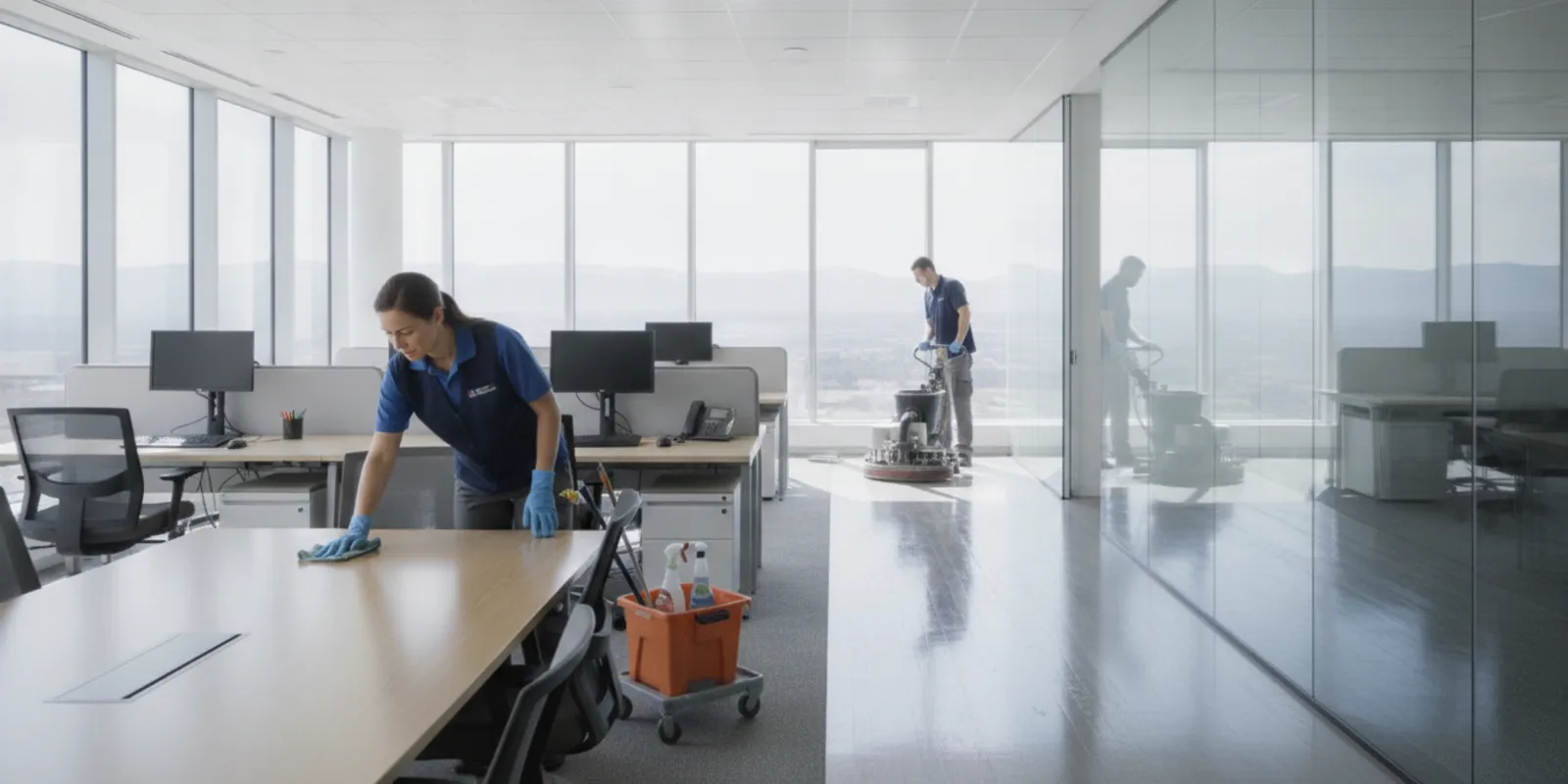
Why hire a commercial cleaning service when your own team already keeps the building running? For many facility managers and business owners, the question is less about whether a space needs attention and more about who should plan, perform, and oversee routine cleaning. Janitor Utah offers commercial cleaning help for business facilities. The right choice depends on your facility, staffing, schedule, and the work you need done.
Request a scoped cleaning quote
When does outside cleaning support make sense?
Outsourcing may be worth considering when cleaning tasks compete with your team's primary responsibilities, coverage varies from shift to shift, or a facility's requirements have become difficult to coordinate. A professional service can take on an agreed set of recurring cleaning tasks or a defined project, while your staff focus on operations they are equipped to manage.
That does not mean every business needs the same arrangement. A single office with modest traffic may need a different schedule from a multi-tenant property, a clinic, a warehouse, or a busy retail site. A practical decision starts with the work that is slipping, the parts of the building that need consistent attention, and the time your own staff can reasonably devote to cleaning.
- Consider outside support if regular cleaning keeps pulling staff away from their core duties or tasks are being postponed.
- Review your current approach if coverage depends on one person's availability, shift handoffs are unclear, or responsibilities are spread across several teams.
- Look at a defined project if a move, renovation, construction phase, or floor-care need calls for work beyond routine upkeep.
- Keep work in-house when your team has adequate capacity, clear procedures, suitable equipment, and dependable coverage for the tasks involved.
The goal is not to outsource by default. It is to choose a workable way to maintain the facility without overlooking the labor, supervision, supplies, and coordination that each option requires.
What can a commercial cleaning service take off your team's plate?
The scope can range from recurring janitorial work to a specific cleaning project. Depending on the site and the agreed scope, work may include cleaning shared spaces, offices, restrooms, and other common areas; removing waste; attending to floors or carpets; or coordinating supply restocking. Some facilities may also request window cleaning, pressure washing, disinfection, or industrial and warehouse cleaning as separate or added needs.
These capabilities are not automatically included in every recurring plan. Ask which tasks are part of the proposed schedule, which are occasional, and which need a separate assessment. For example, a floor's surface and condition, the building's access rules, and the desired frequency can all affect what a useful floor-care scope looks like. Janitor Utah describes commercial cleaning services and recurring janitorial cleaning for businesses; the actual work should be confirmed for the facility being considered.
A service provider should not replace your operational controls. Your site team still determines which areas are accessible, how keys or alarms are handled, what materials need special care, and who approves a change in scope. A clear division of responsibilities helps prevent missed tasks and duplicate effort.
What are the trade-offs between in-house and outsourced cleaning?
Compare the options as operating models, not just as a line item. An in-house approach gives you direct control over assignments and can work well when you already have the people, equipment, and backup coverage. Outsourcing can shift the recruiting, scheduling, and day-to-day task execution associated with the agreed cleaning scope, but it requires clear communication with a vendor and a thoughtful transition.
| Consideration | In-house approach | Outsourced service |
|---|---|---|
| Staffing and coverage | Your organization assigns staff and plans backup when someone is unavailable. | The provider proposes coverage for the agreed schedule; confirm attendance and backup expectations. |
| Task direction | Managers set priorities and supervise the work internally. | Your site contact and provider document responsibilities, access, and change requests. |
| Supplies and equipment | Your team identifies, purchases, stores, and maintains what the work requires. | Confirm what the provider supplies and what your facility must provide; do not assume either. |
| Schedule | Cleaning time must fit employee availability and building operations. | Discuss visit frequency and workable service windows before scope is finalized. |
| Specialty or project work | Your team must have the appropriate capacity for the task or coordinate another resource. | Ask whether the specific work is offered and whether it is quoted separately. |
| Cost planning | Account for labor, supervision, supplies, equipment, and coverage in your own budget. | Request a quote based on site details, tasks, and cadence; do not rely on a generic rate. |
This comparison is a starting point, not a promise that one model costs less. A fair comparison includes the time spent coordinating work, managing coverage, replenishing materials, and addressing tasks that fall outside the normal routine. Put the assumptions on both sides in writing before deciding.
How should the facility type shape the decision?
Different spaces create different cleaning priorities. The people using a facility, the surfaces present, traffic patterns, hours of operation, and access restrictions all matter. Describe the building honestly rather than asking for a generic office checklist to cover a distinct environment.
Professional and corporate offices
For an office, identify shared areas, meeting rooms, workstations, restrooms, break areas, and any spaces that should not be entered. Note whether service can happen during business hours or needs to be coordinated outside them. If staff handle some tasks during the week, say which responsibilities should remain internal so the scope complements rather than duplicates that work.
Medical and dental clinics
Clinics should explain the layout, room use, traffic flow, access controls, and any written procedures that apply to vendors. Be specific about what the cleaning request covers and what remains the responsibility of clinical staff. Do not assume that a commercial cleaning provider holds a medical or infection-control certification unless the relevant credential has been confirmed. Discuss products and methods directly and verify they fit your facility's requirements.
Industrial and warehouse sites
For a warehouse or industrial facility, point out production or storage areas, floor types, loading zones, equipment, high-dust locations, and restricted areas. Explain operating hours and any site rules for movement around active work. Janitor Utah lists industrial cleaning among its service information; the facility should confirm the specific tasks, scheduling, and access arrangements that are feasible for its site.
Retail, daycare, and other public-facing facilities
In a retail setting, entrances, customer paths, fitting or service areas, restrooms, and opening hours may shape the plan. A daycare operator should identify room use, access restrictions, and the cleaning expectations set by its own policies. In every setting, state the site-specific requirements and avoid assuming that a general service description establishes a compliance credential.
What should you gather before asking for a quote?
A useful request gives a provider enough context to understand the facility and ask focused questions. You do not need to solve every detail in advance. Start with the basics and flag anything uncertain.
- Facility type and location. Describe the business use and share the city or area. Service availability should be confirmed for the specific address and type of work.
- Approximate size and layout. Provide square footage if known, the number of floors, and a simple description of the areas that need attention.
- Tasks requested. Separate routine janitorial items from periodic needs such as carpet or floor care, window cleaning, or post-construction cleanup. Janitor Utah's pages describe commercial floor care and commercial window cleaning; ask whether the particular task belongs in the proposed scope.
- Desired frequency. Say whether you are considering daily, weekly, monthly, or another cadence, and note any days or service windows that will not work.
- Current division of work. Identify what employees already do, what is not getting done, and which duties you want to retain.
- Access and security. Explain check-in procedures, alarm or key requirements, restricted rooms, delivery rules, and who can authorize entry.
- Materials and site procedures. Share relevant surface-care instructions, product restrictions, waste-handling expectations, and any written building policies.
- Timing and changes. If the request follows a renovation, a new lease, or a change in occupancy, explain the schedule and what must be ready before service begins.
When you are unsure about square footage or a task, say so. The purpose of the initial discussion is to establish what needs clarification, not to force an exact specification from incomplete information.
How can you tell whether the proposed scope is clear?
Before comparing proposals, check whether each one describes the same work. A useful scope should identify the areas included, tasks assigned to each visit, service frequency, access assumptions, and how occasional or specialty work is handled. It should also make clear which supplies or equipment are included, what the facility provides, and who to contact about a change.
Ask questions when terms such as “full service” or “deep clean” appear without detail. Does the phrase refer to every room, or only selected areas? Are interior glass, high-touch surfaces, floors, or supply restocking specifically included? Is the proposed visit schedule based on the building's actual hours and occupancy? Clear answers make it easier to evaluate whether the plan matches your needs.
It can help to keep a short scope sheet for your own team. List the room or area, the requested task, its frequency, the responsible party, and any access note. This is not a substitute for the final agreement, but it gives decision-makers a consistent basis for reviewing options and discussing gaps.
What should you consider during a transition?
A new arrangement works best when the people who know the building help set it up. Name a facility contact, share applicable access instructions through the appropriate channel, identify areas that need special attention, and explain how staff should report a missed or changed task. Decide how both sides will communicate schedule changes and who has authority to approve work beyond the agreed scope.
For a recurring arrangement, set a practical review point after service begins. Compare the written scope with actual building needs and discuss adjustments through the agreed contact. Changes in occupancy, season, construction, or tenant use may affect priorities. Do not assume an unchanged task list will remain suitable if the facility itself has changed.
For project work, explain the sequence and condition of the site. During-build and final construction cleaning are different from ordinary recurring office service. Janitor Utah's commercial and facility cleaning services page is a place to review the types of work described, while the proposed project scope should still reflect the actual site, timing, and requested finish work.
Frequently asked questions
Is outsourcing right for a small office?
It may be, if cleaning takes time away from your staff or the space needs a dependable schedule that is difficult to manage internally. Compare the work you need with your team's capacity; office size alone does not determine the right choice.
Can a provider clean every day?
Janitor Utah describes commercial cleaning schedules ranging from once a day to once a month. Confirm whether the preferred cadence and service window are available for your location and needs before agreeing to a scope.
Should I combine recurring janitorial service with floor or window work?
You can ask about both, but specify which work should happen regularly and which is occasional or project-based. Surface type, condition, access, and frequency can change the scope, so do not assume specialty work is part of a routine visit.
How is a commercial cleaning quote determined?
A quote should be based on the facility, requested areas and tasks, schedule, and other scope details. Janitor Utah does not publish a current standard rate in this article; request a site-specific quote rather than applying a generic price to your building.
Where can I learn more about the professional cleaning industry?
ISSA is a professional cleaning industry association. Its website offers a broader industry resource; use your own facility's policies and verified service details when defining a cleaning scope.
Janitor Utah is the public brand of Jani-Serv, Inc., a locally owned, non-franchise Utah commercial cleaning company. To discuss your facility, its location, area, requested tasks, and preferred cadence, use the contact page to request a scoped quote; you can also call Janitor Utah through the contact options listed there.
Share your facility details and request a quote
With a clear account of the site and the work you want handled, you can compare in-house effort with an outside scope and choose the approach that fits your operation.